Italian

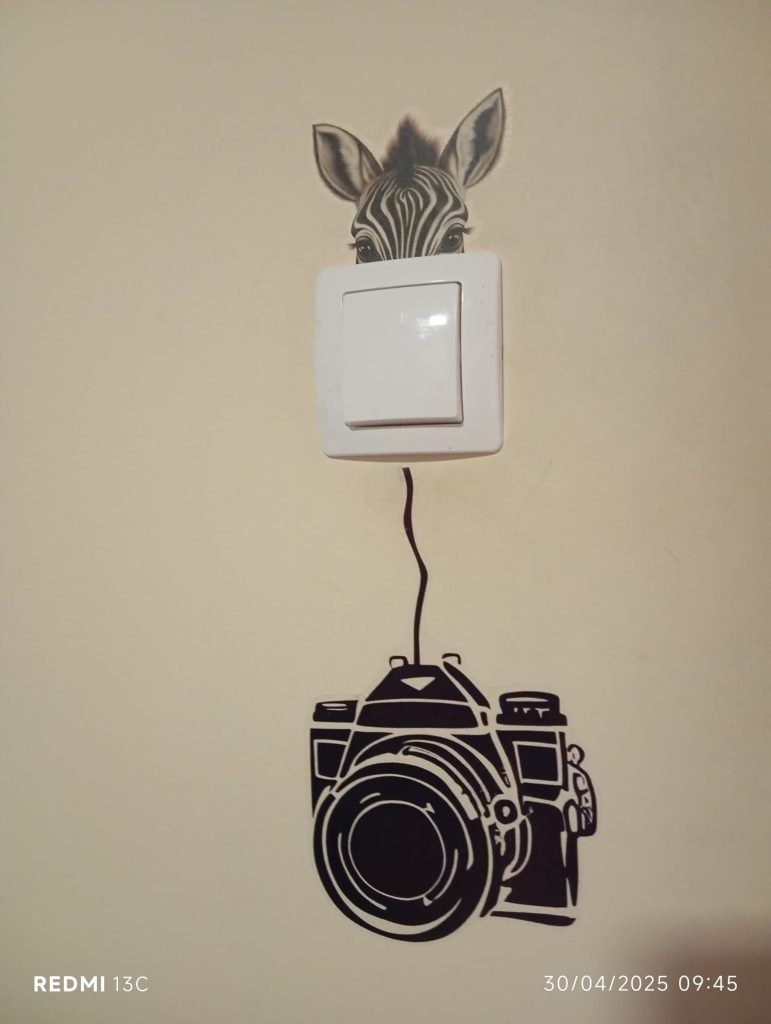
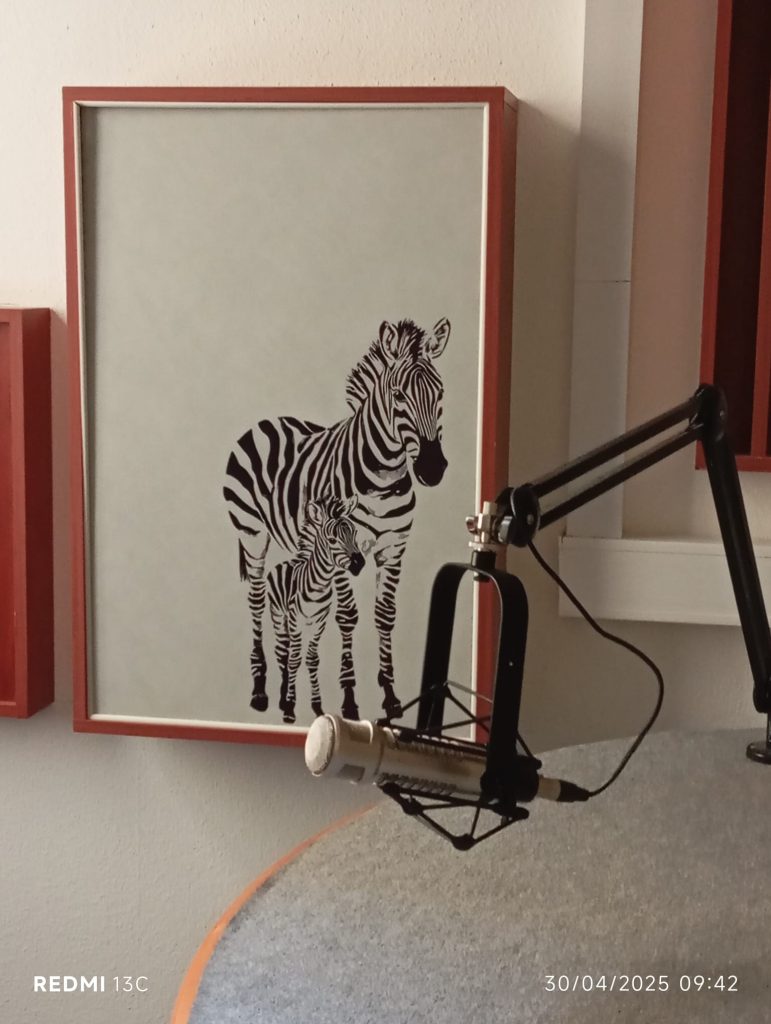
In the heart of Budapest, on a street that seems to be an alternation of buildings similar to our Classical High School Canova and the Elementary School “Edmondo De Amicis,” you arrive at the entrance of a building where a series of banners are hanging advertising a radio station, whose symbol is a zebra, and we will soon understand why.


BUDAPEST. We go up to the fifth floor in two groups and we are welcomed by a smiling secretary who asks us to sit in an L-shaped corridor, where the radio studios and editorial offices are located, which we will visit later.


The owner of the radio, Andras Arato, and Peter, a journalist who covers foreign politics and therefore is often interested in what happens in Italy, then introduce themselves.
Immediately they ask us what they think the difference is between Hungary and Italy. In fact, they care a lot about the fact that the Hungarian population that has gone from Nazism to communism, and that has always lived in the fear of expressing its opinions, has not developed that political culture that instead exists in Italy since the times of the Roman Empire. The people, who have not been able to develop their critical thinking in a democratic path, have fallen into a consumerist indifference that certainly does not help the country.
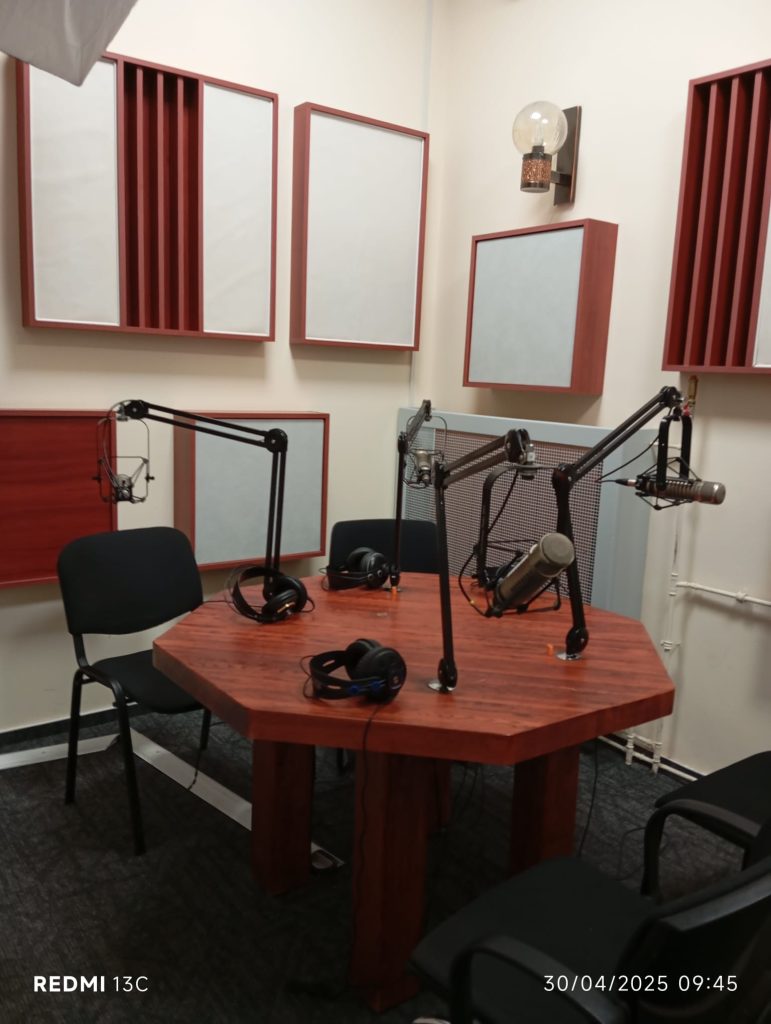
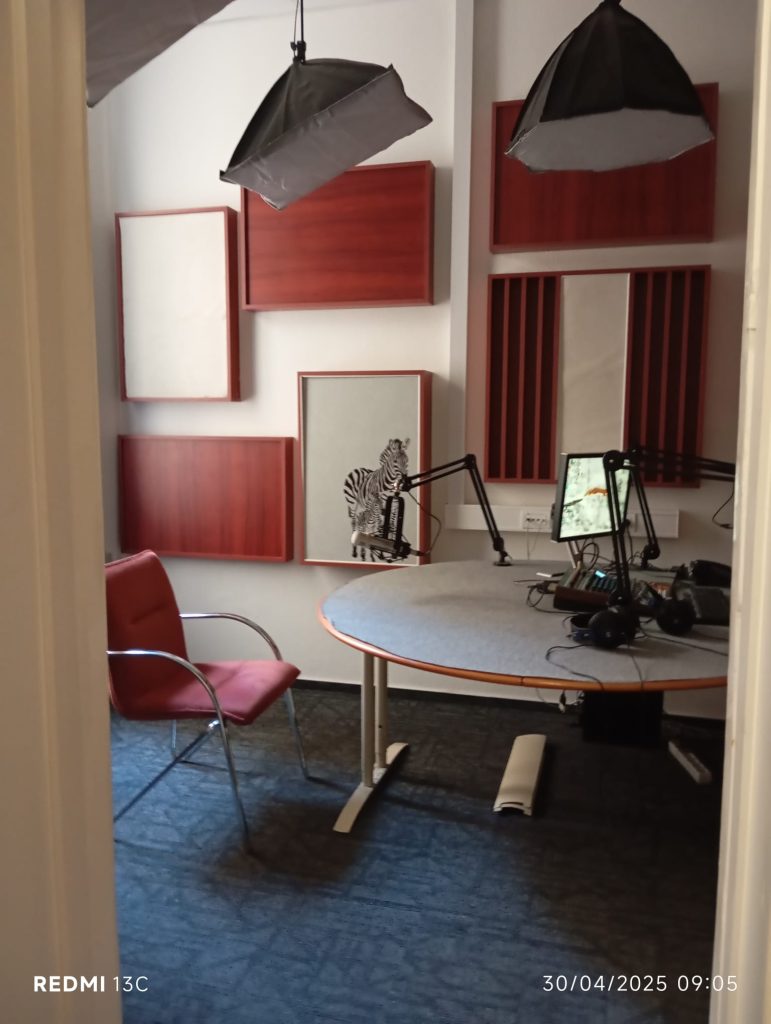
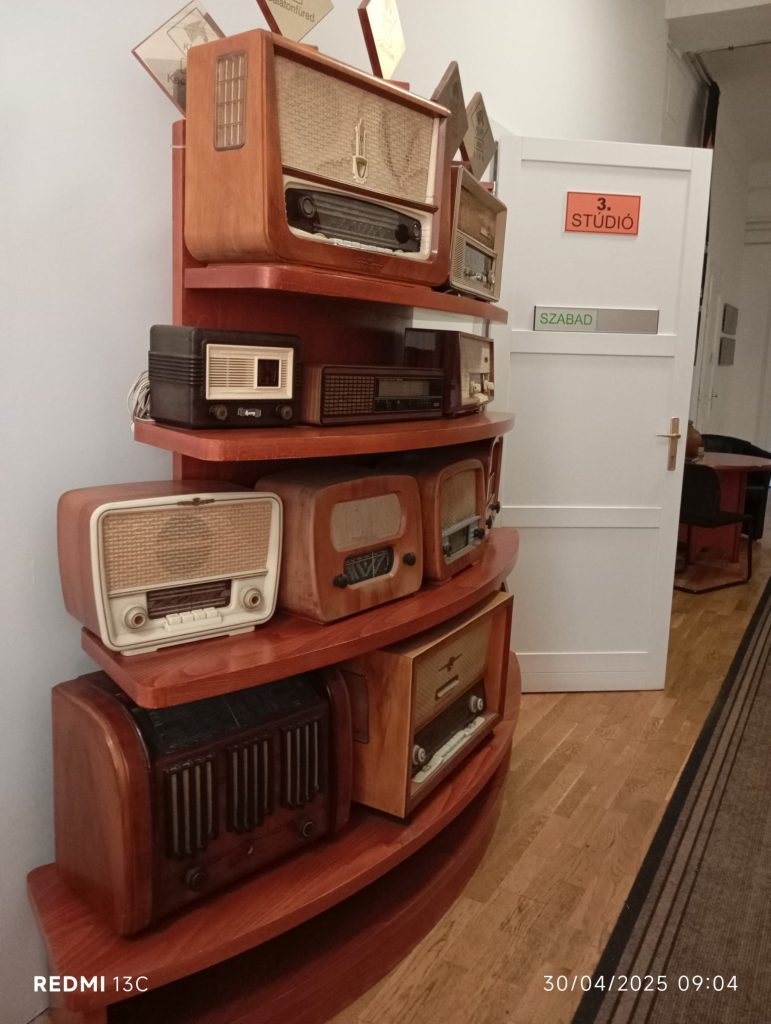
Then the owner told us how this radio station was born. In 2001, listening to the state radio, he thought it was right to give a voice to those who don’t have one. It’s true that the majority of the population is pro-Russia, but this radio station, which belonged to a car factory, was for sale.
This way, thanks to their anti-regime broadcasts, Orban lost the elections in 2002. However, when he returned to power in 2021, the first thing he did was to revoke the frequency of this radio station.
Necessity is the mother of invention, as they say, the owner thought of broadcasting on the internet. And here a sort of miracle happened: the audience increased.
Not only that: a collection of used smartphones was organized to give them away to people who couldn’t afford them, to give them the opportunity to be able to follow the broadcasts.
The radio schedule works like this: from 6 to 10 in the morning there is a morning group that talks about this and that with the radio listeners. From 10 to 12 there is a more cultural program. From 12 onwards there is a longer program that deals with information, interactive and with phone calls from listeners. From 4 to 6 there is a more popular program, in which both civilians and experts participate to discuss what is happening. Finally, there is a daily magazine, accompanied by a press review.
In order to carry out this type of programming, there are approximately 120 collaborators, of which 80 are permanent.
The quality of the radio and the way it is followed can also be seen from the numbers that have viewed and reviewed their services on YouTube: we are talking about approximately 25 million views!
But another crucial question is: where do they get their information from, considering that the state agency is controlled by the party? Fortunately, there are small independent press outlets funded by Soros, a Hungarian-born American entrepreneur and banker, who is the president of the Open Society Foundations, through which he philanthropically distributes donations.
I then ask the owner why the zebra is the symbol of the radio. He explains to me that the coat of zebras is like our fingerprints. No two are identical. So in a world that demands standardization, here they claim their own identity and the possibility of being different and thinking differently.
The issue is that in Hungary illegal laws are being approved according to the Hungarian constitution. And this is possible also thanks to the presence of Orban’s activists in the courts.
The owner of the radio then confides in us that, although Orban can be compared to a Mussolini or a Franco, the future after him will be very difficult, precisely because of the populism in which Hungarians live and their lack of critical thinking due to the long subjection to the dictatorial regimes to which they have been subjected.
But finally I ask: how does the radio get funded, given that the advertising market is dominated by television and regime-controlled radio? Through donations and also by winning competitions. The latter two refer to awards coming from the USA, in particular from Congress, but which have now been blocked due to Trump’s presidency. The other one is related to the quality of technological tools.
With the visit to the radio studios, our understanding of this reality comes to an end, making us reflect deeply on how one can oppose a regime if they have the critical capacity to do so.