Italian

Less than a year away from the Opening Ceremony of the Milan Cortina 2026 Winter Olympic Games, plans are already being made for the recovery and reuse of the Sports Facilities


CORTINA – We are getting closer and closer to the Opening Ceremony of the Milan Cortina 2026 Winter Olympic Games. The Olympics will start on February 6, 2026 at the “Giuseppe Meazza Stadium” in San Siro, Milan, and will come to a close on February 22 at the Arena di Verona.


It will be from the ancient and important Venetian monument that the Paralympic Games will start on March 6, ending on March 15 instead in the renovated Olympic Ice Stadium in Cortina d’Ampezzo. Many locations, some already existing, others renovated, and still others created specifically for the event. A total of 44 sports facilities will be used (for competitions and training) along with 50 transportation works, all in the four main areas of Milan, Valtellina, Cortina, and Val di Fiemme, covering a total area of over 22 thousand square kilometers.
Existing Structures
The organization of the 2026 Olympics has chosen an innovative model that involves reusing about 90% of the existing facilities. In this way, they aim to reduce costs and environmental impact, while also enhancing the value of the historical structures already in place.
The choice is clear already from the locations chosen for the Opening Ceremonies, but it also involves the use of the Mediolanum Forum in Assago which will host the ice hockey tournament, and is already a venue for international sporting and musical events. There are also facilities used for the 2006 Turin Winter Olympics such as the Predazzo ski jump and the Tesero Cross-Country Stadium in Trentino Alto-Adige which will be the stage for ski jumping and cross-country skiing competitions.
Considering the high cost of creating ad hoc structures and the time it takes to build them, adopting this type of use of the facilities, readjusted for the occasion, allows for budget containment but also reduces the environmental impact that new constructions can create.
The plants to be renovated
Too many years have passed since the seventh edition of the Winter Olympic Games in Cortina 1956. Times and numbers have also changed, going from 923 athletes from 32 countries to over 3500 from more than 90 nations.
Structures built for that occasion that remain are the historic ski slopes, also used for World Cup races, the Olympic Ice Stadium (venue for the Closing Ceremony of the Paralympics and the curling tournament), and the controversial Eugenio Monti hosting bobsleigh, skeleton, and luge. Its complete renovation (not yet completed but should be tested by the end of the month) has been the subject of the harshest criticism both for the long timeframes and costs, and for the environmental impact.
Meanwhile, on Monday, March 24th, technicians from the international federations (Ibsf for bobsleigh and skeleton, Fil for luge) will carry out an inspection visit trying to prevent the absurd possibility of moving these races to Lake Placid, in the United States.
New constructions
Meanwhile, the construction of new facilities such as the Arena Santa Giulia in Milan continues, intended for men’s ice hockey competitions. This should be completed by December 2025, with costs increased from 180 to 210 million euros.
At the same time, the three Olympic Villages will need to be built from scratch. There was no need for them in 1956 due to the presence of numerous accommodation facilities in Cortina and its surroundings. However, given that the numbers have more than tripled, venues will obviously have to be built to accommodate not only the athletes but also all the staff and the countless tourists.
The Olympic Village in Cortina has yet to be started, while the one in Milan is expected to be completed by the summer. The Olympic Village in Val di Fiemme in Predazzo, costing 53.6 million euros, will be ready by October 2025.
Reusing the plants
The idea is not to leave the classic “cathedrals in the desert” as has often happened in all major sports events. Just think of the huge stadiums built literally in the desert for the 2022 World Cup in Qatar. The organization has indeed planned to leave a sustainable legacy through a plan that promotes the use of the facilities even after the Olympic Games, donating them to local communities and trying to use them for other international events as well.
For example, the Olympic Village in Milan will be converted into residences for university students and affordable housing, while temporary structures will be designed with recyclable materials and with the goal of being dismantled and reused in other contexts.
In addition to these, all the connection infrastructures between the various venues will be strengthened and expanded. High-speed trains and new highways will ensure easy access to the competition sites, facilitating the movement of athletes, staff, and spectators. The mobility plan focuses on environmentally friendly transport and the use of electric shuttles for local transfers.
These interventions aim to reduce congestion and pollution, although the impact will still be considerable. This is precisely why the organization has set the goal of respecting high environmental sustainability standards by seeking to reduce emissions and paying particular attention to the ecological impact. The main facilities will be powered by renewable energy, with a focus on recycling and waste reduction during the event.
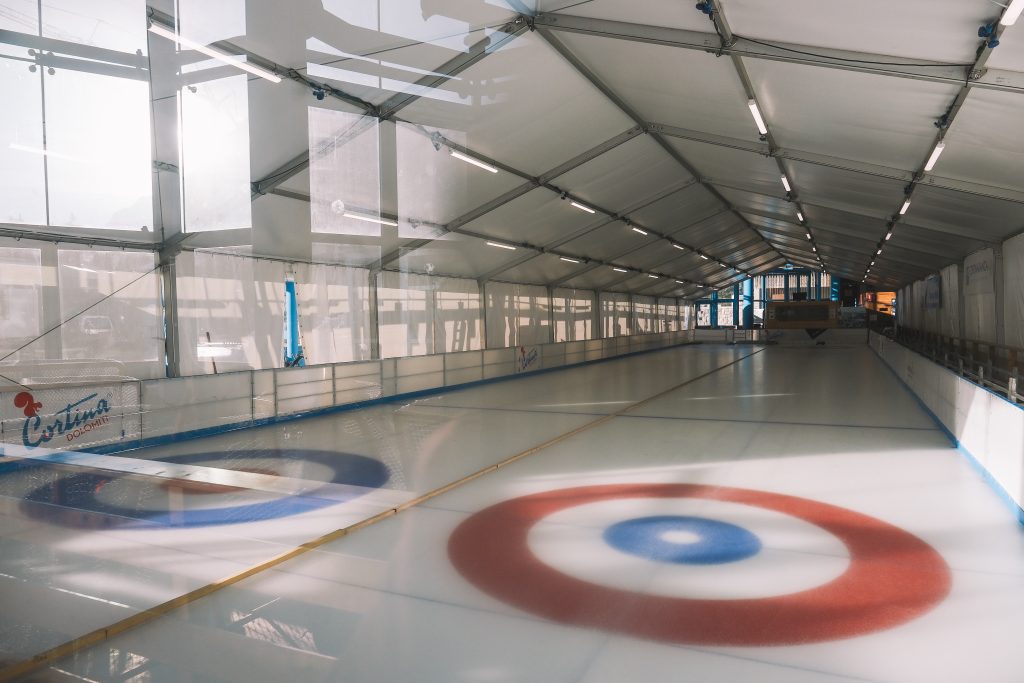
Photo Credits: milanocortina2026.olympics.com