Italian

Experts and institutions in discussion to rethink the protection, management, and future of Venetian historic residences


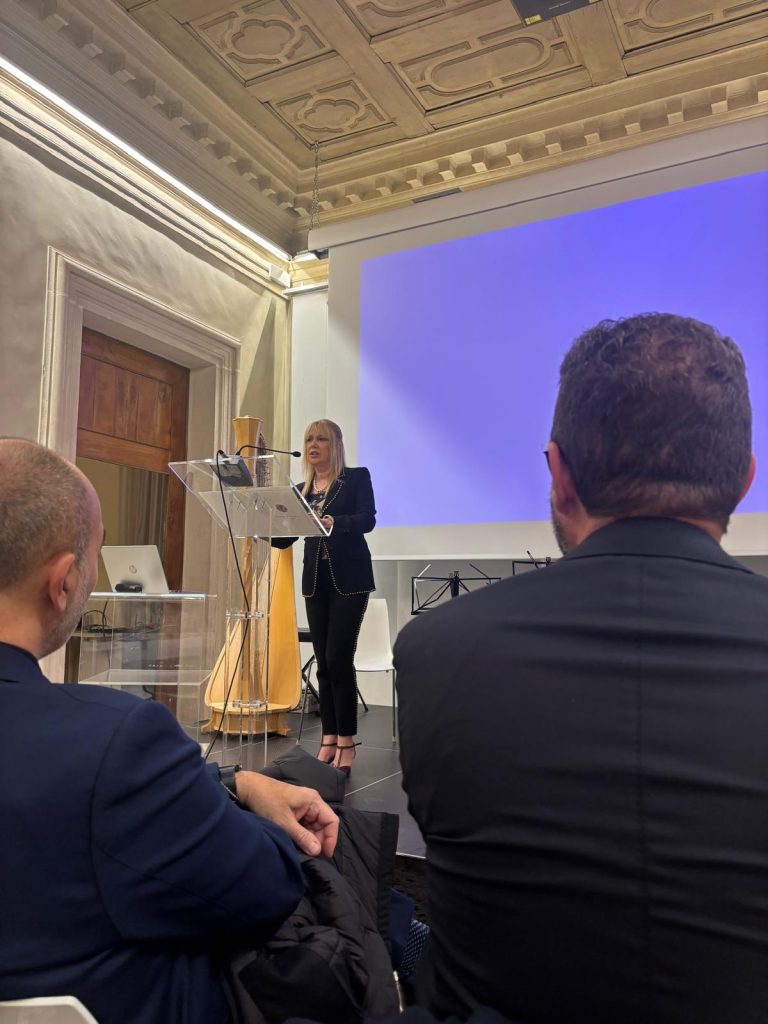
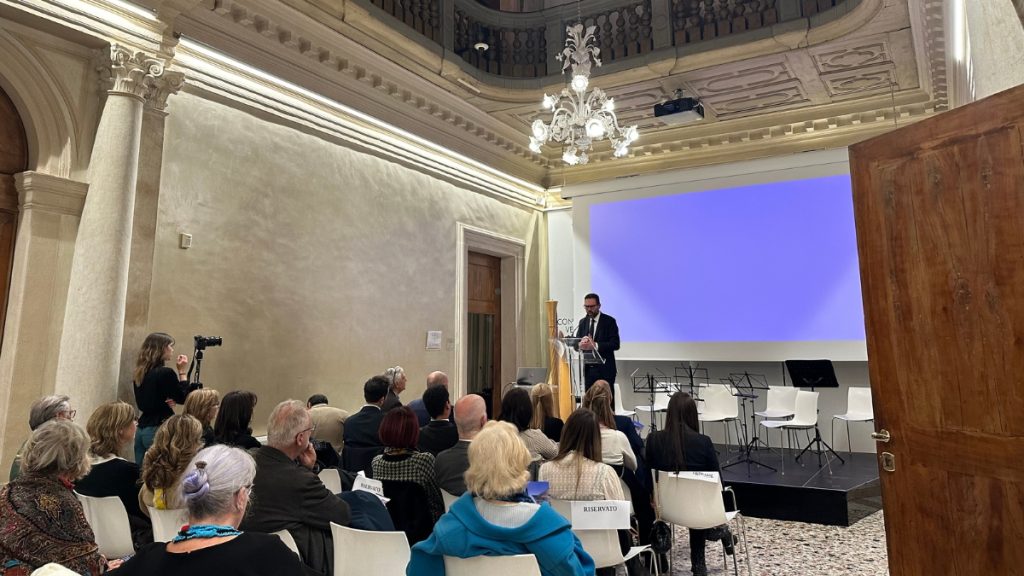
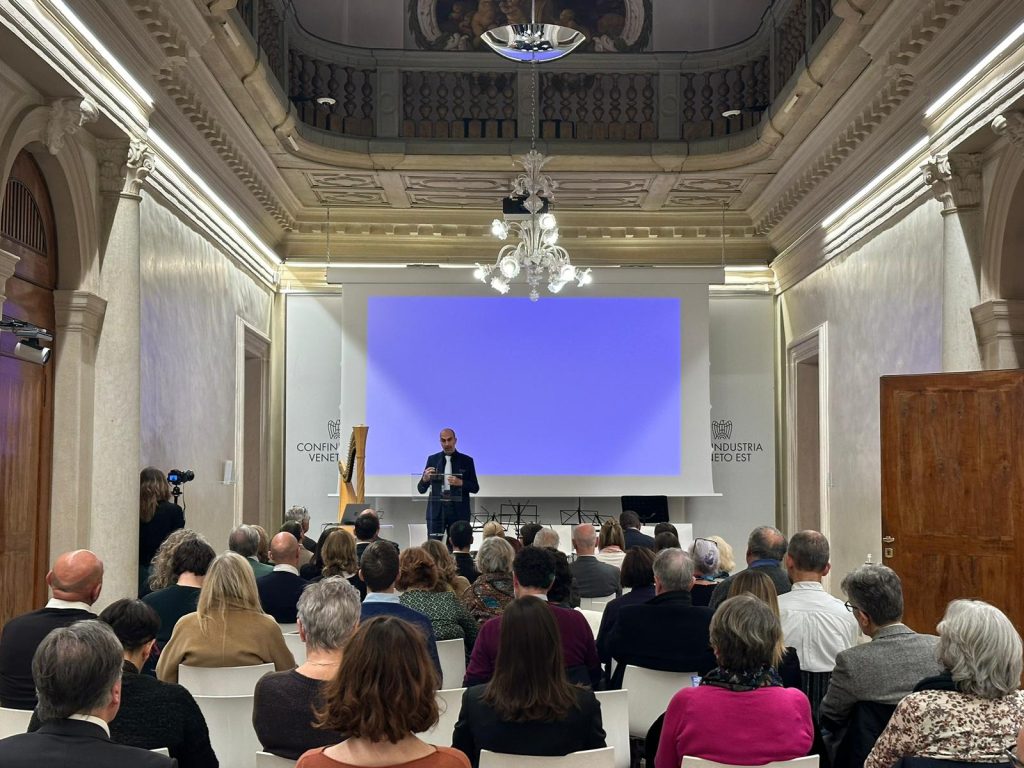
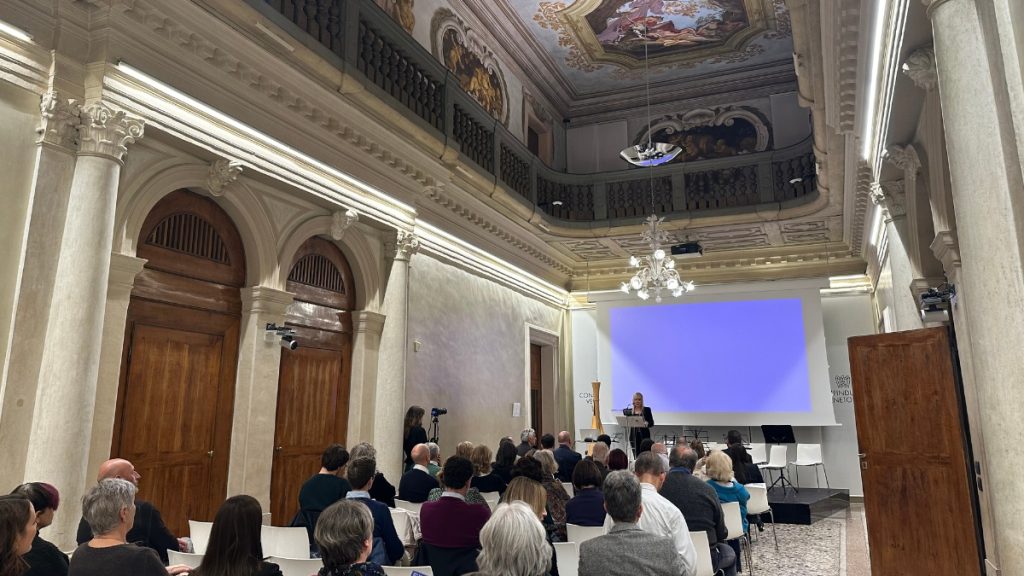
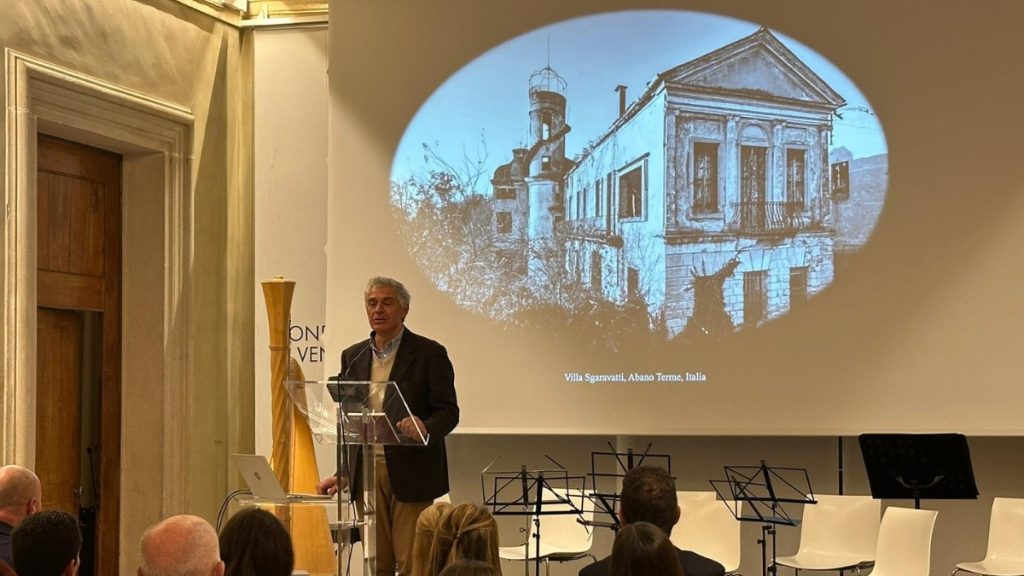
TREVISO. A study afternoon dedicated to the Venetian Villas and minor architecture was held at Palazzo Giacomelli, a heritage that continues to define the cultural and landscape identity of Veneto. The meeting, promoted by Il Nuovo Terraglio and realized with the contribution of the Regione Veneto as part of a call dedicated to editorial initiatives, including the enhancement of cultural heritage, brought together administrators, architects, art historians, and experts to analyze critical issues, perspectives, and new management models.


Opening the event, Paola Zuliani, publisher of Il Nuovo Terraglio, drew attention to the value of villas as historical testimonies and the need for sustainable protection projects, also emphasizing the role of minor architecture – rural houses, mills, courtyards – often overlooked but essential for understanding the Veneto landscape.
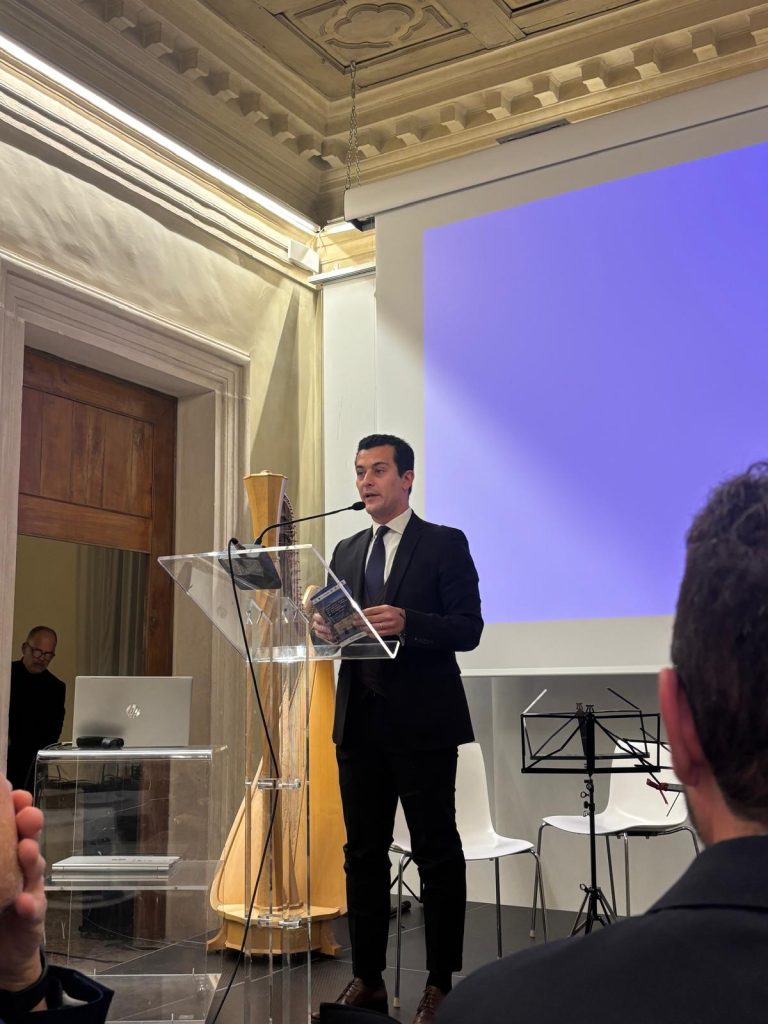
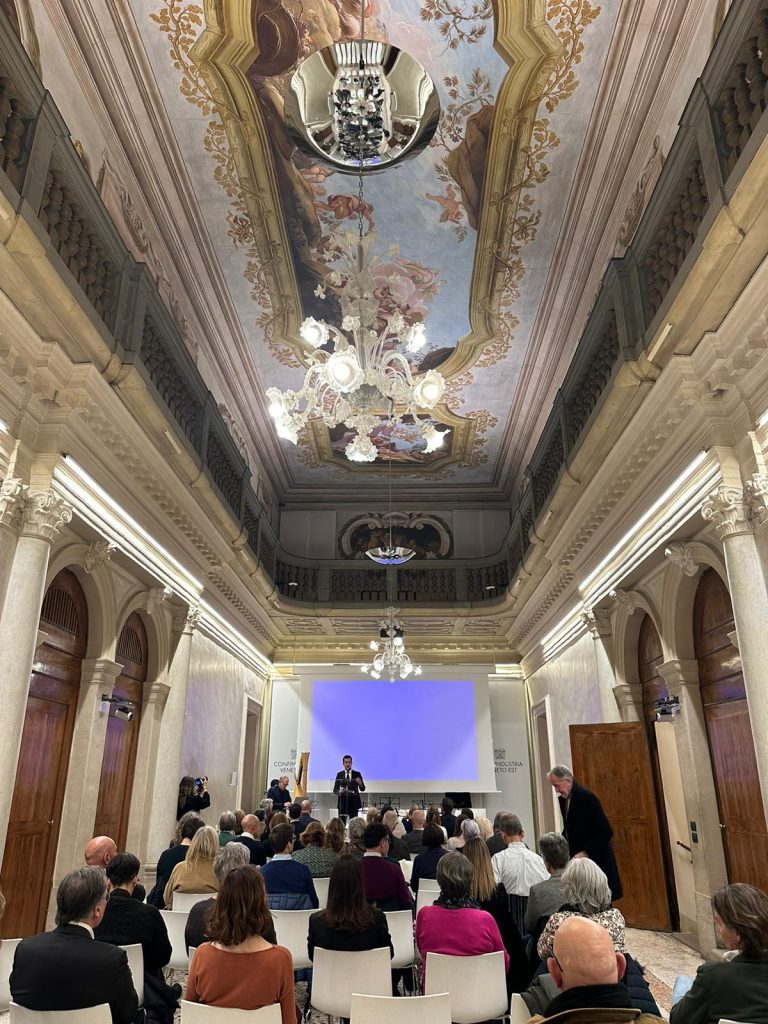
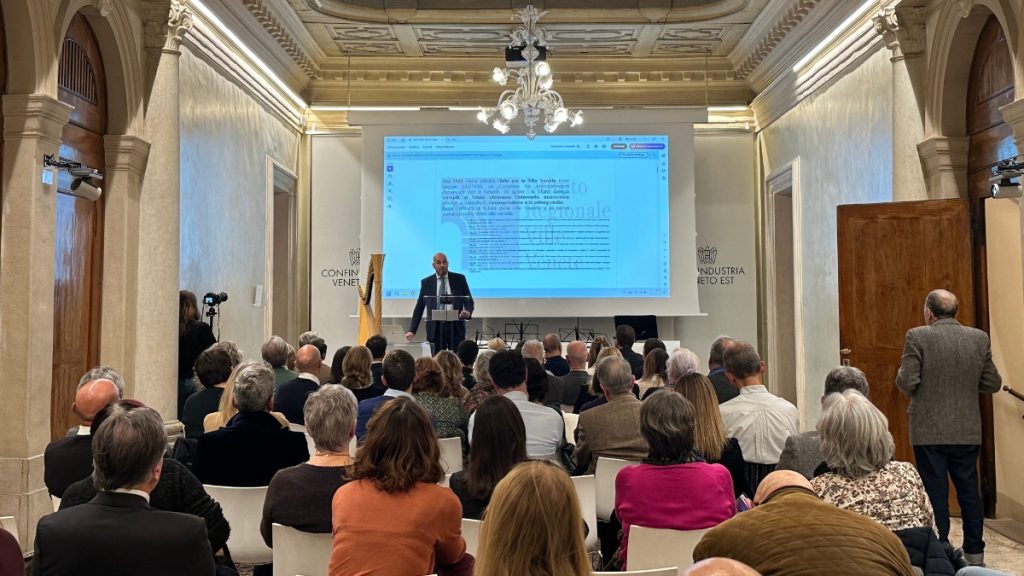
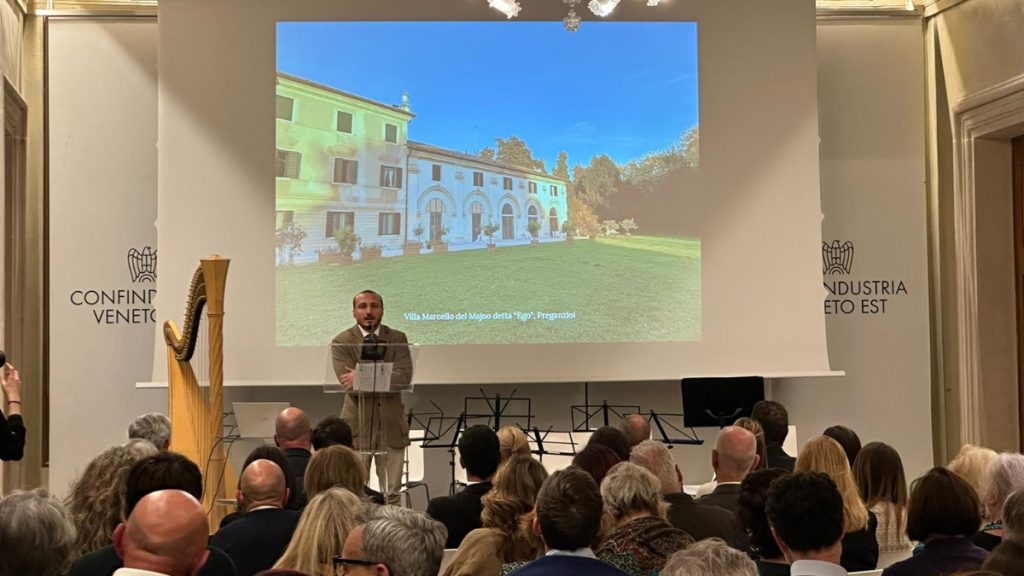
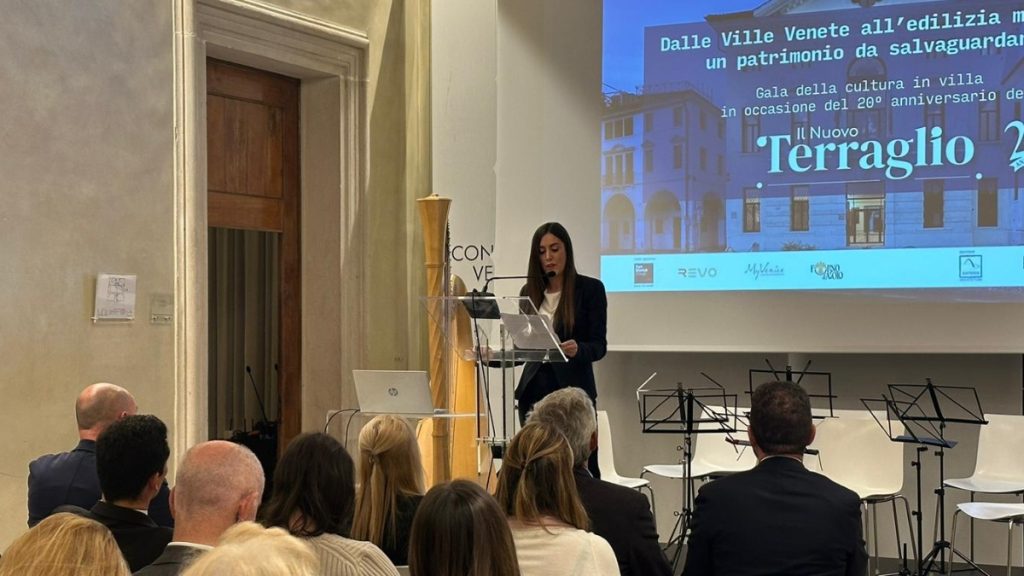
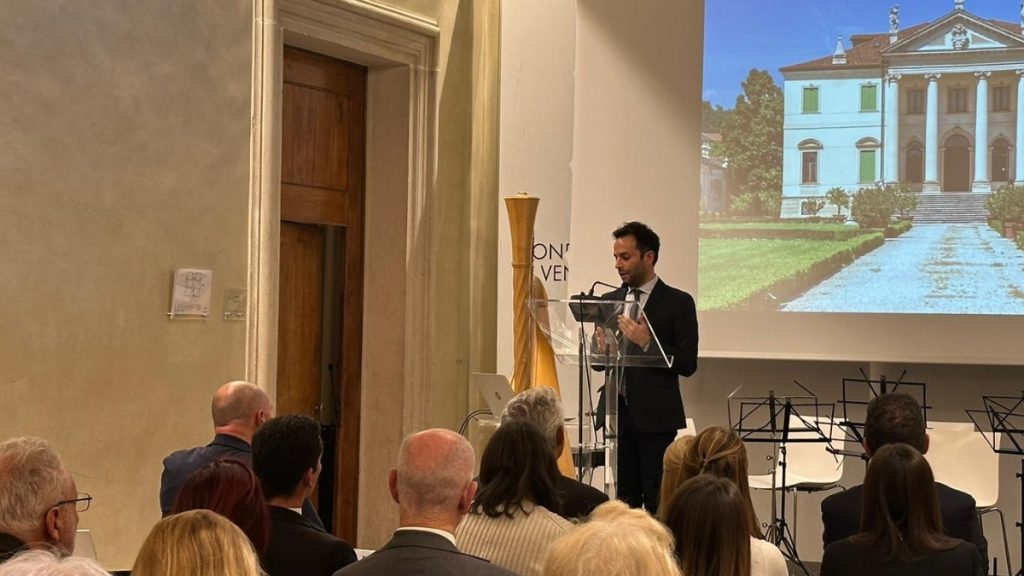
The mayor of Mogliano Veneto, Davide Bortolato, presented the case of Terraglio, where numerous historical complexes with very different states of preservation are concentrated. He reiterated the urgency of safeguarding a fragile heritage, often in abandonment.
The provincial councilor Raffaele Freda conveyed his greetings, emphasizing the importance of moments of discussion like this. He praised the project, calling it a valuable opportunity to strengthen awareness of the value of the Venetian Villas and minor architecture, and reiterated the institutions’ support for initiatives capable of combining protection, enhancement, and the future of the architectural heritage of the territory.
One of the central contributions was made by Enrico Specchio, Director of the Local Authorities of the Veneto Region, who confirmed the ongoing work towards a unified candidacy of the Venetian Villas as UNESCO heritage, going beyond just the Palladian area and promoting a network capable of accessing national and European resources.
Andrea Valentini, architect of the IRVV, reconstructed the historical causes of the decline of the villas, recalling how the introduction of new taxes during the Napoleonic era made the maintenance of the manor houses burdensome, often leading to their demolition while the barns were preserved, as they were not subject to taxes.
The architect Enrico Montalti has proposed a reading of architectural evolution between the Sixteenth and Seventeenth centuries, illustrating some recurring models, including the royal villa and the Palladian model, highlighting how the legacy of the sixteenth-century language has often been reinterpreted in the subsequent centuries.
The art historian Marco Dolfin presented the case of Villa Marcello del Majno in Preganziol, focusing on its neoclassical cycle and the transformations it underwent in the twentieth century. Particular interest was sparked by the analysis of the “pictorial bas-relief” of the east barchessa, with references to the school of Piranesi. In this context, the recent discovery presented by Marco Dolfin is also included, who attributed the cycle of neoclassical frescoes to Costantino Cedini. The artist, as Dolfin highlighted, would have drawn inspiration from the famous Borghese Vase (circa 60–40 BC, now at the Louvre Museum), a masterpiece of ancient art depicting Fauns and Bacchantes. The work was made known in the eighteenth century also thanks to the engravings of Giovanni Battista Piranesi, originally from Mogliano Veneto, who described the vase in his repertoire as “ancient marble of great bulk… in the Palace of the Borghese villa,” contributing to its iconographic diffusion throughout Europe.
Professor Cesare Feiffer finally emphasized the importance of a conscious restoration culture, capable of recognizing materials, techniques, and historical stratifications to avoid interventions that compromise the identity of places. He also dedicated the book The Historical Monument and the Star Architect. Drama in Three Acts to these themes, in which he critically addresses the relationship between heritage protection and contemporary architectural trends.
During the evening, Valentina Nespolo, director of Il Nuovo Terraglio, emphasized the role of publishing in the dissemination of local culture and presented NetGreen, new digital platforms dedicated to environmental issues and the education of young generations.
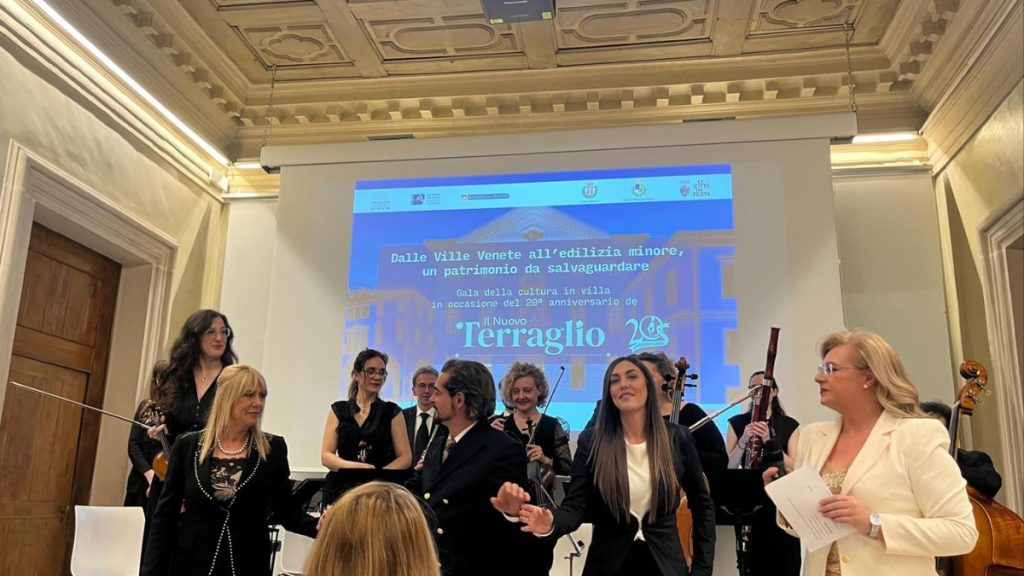
The day concluded with the concert The Song of Men and Gods – Classical Composers in Villa, a musical tribute to the historic Venetian residences. On stage performed the Orchestra Sinfonica del Veneto, with Emy Bernecoli as the first violin and the voice of tenor Cristian Ricci.
The concert was presented by journalist Federica Morello, who with an elegant and engaging style guided the audience through the various pieces, accompanying the spectators with a clear and passionate presentation that highlighted the performers and made the evening even more enchanting.